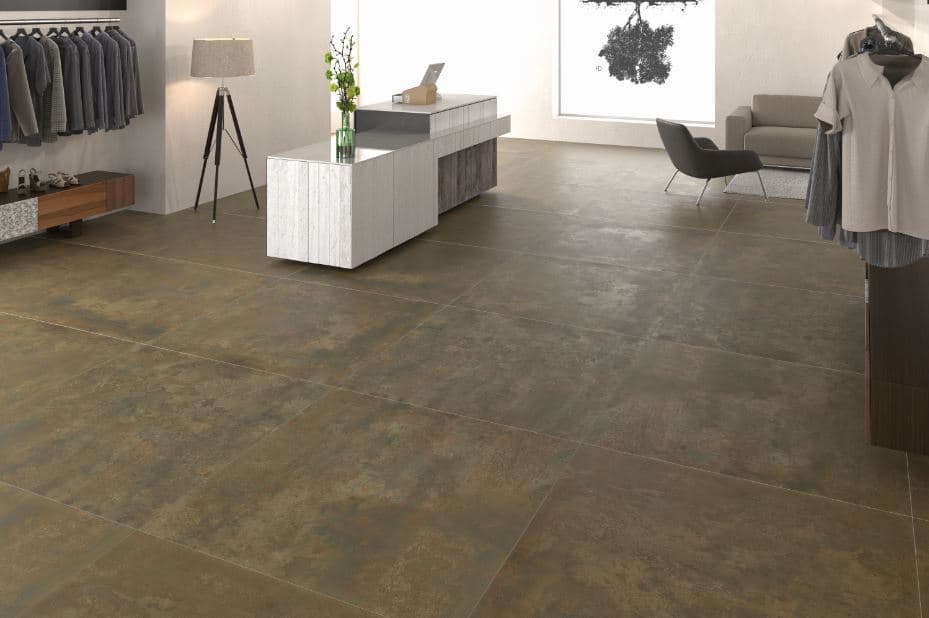
How to achieve an industrial style with rust effect ceramics.


The rust or metal effect continues to be on trending specially if we want to achieve industrial style decorations. This style, also knows as loft, has been used for more than 60 years, and it’s still as fresh and current as the first day.

To achieve a rust effect decoration, we have to consider the following facts:
This rust effect or metallised ceramics are one of the most requested by architects and interior designers, precisely because of their timelessness and their ability to create exclusive and vanguard environments, even when mixed with other styles.
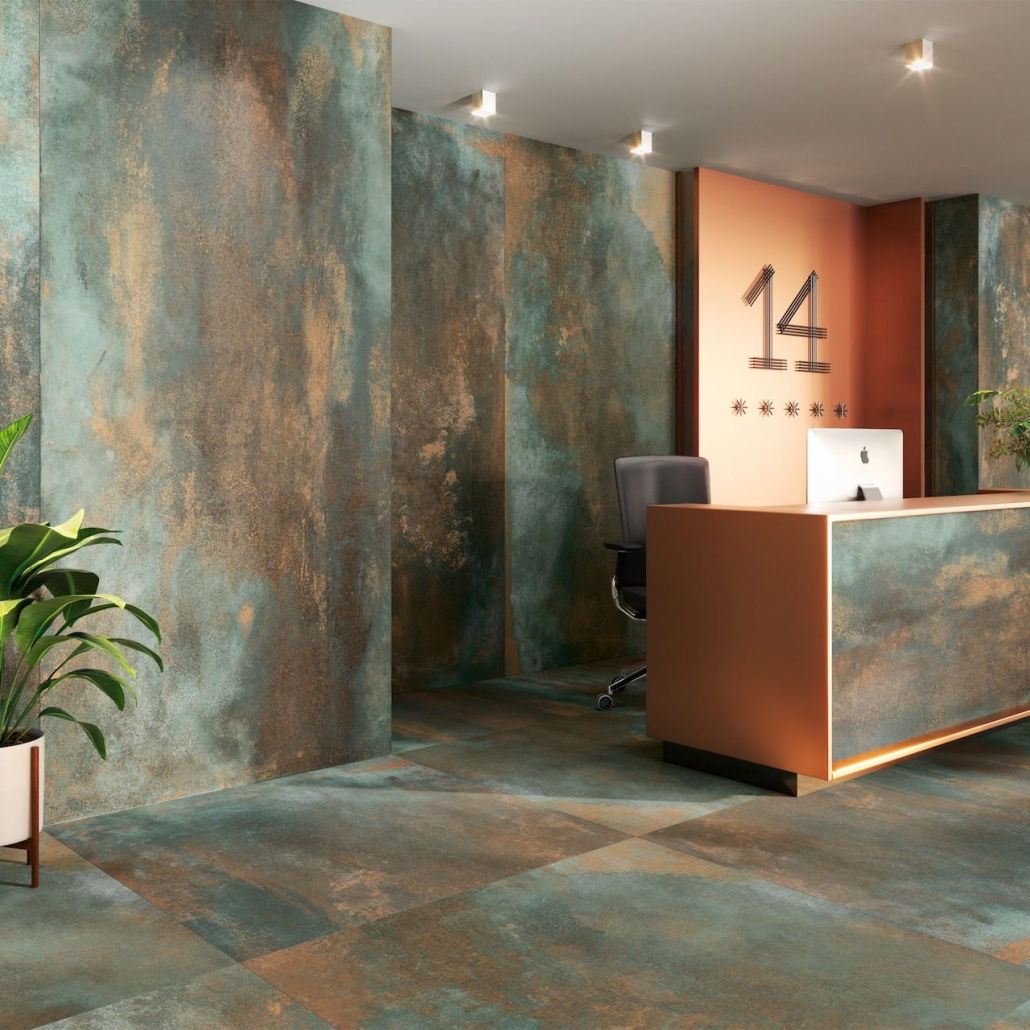
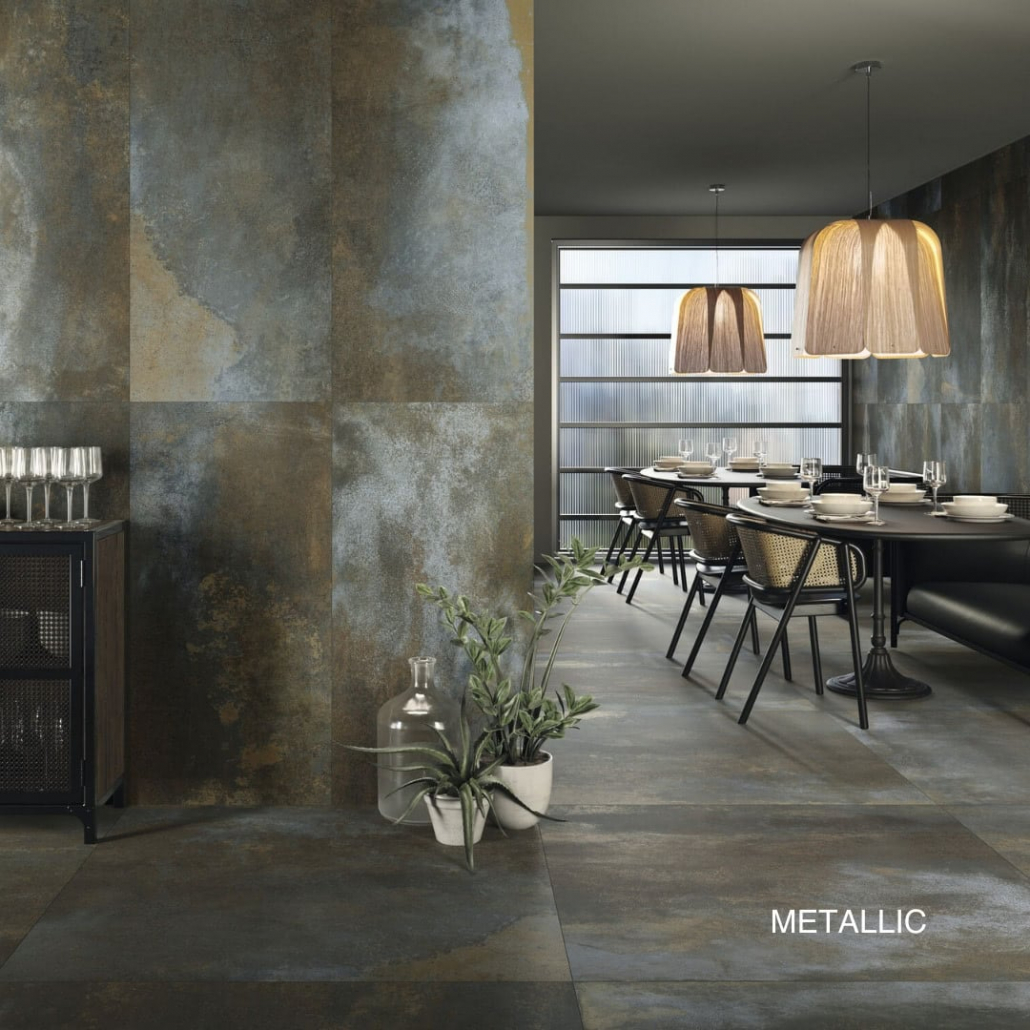
Ceramic with this finish gives a touch of sophistication, typical of industrial design, in every room in the home you decide to install it (bedrooms, living room, bathrooms, kitchen, etc) or in commercial establishments as hotels, restaurants, shops, etc.
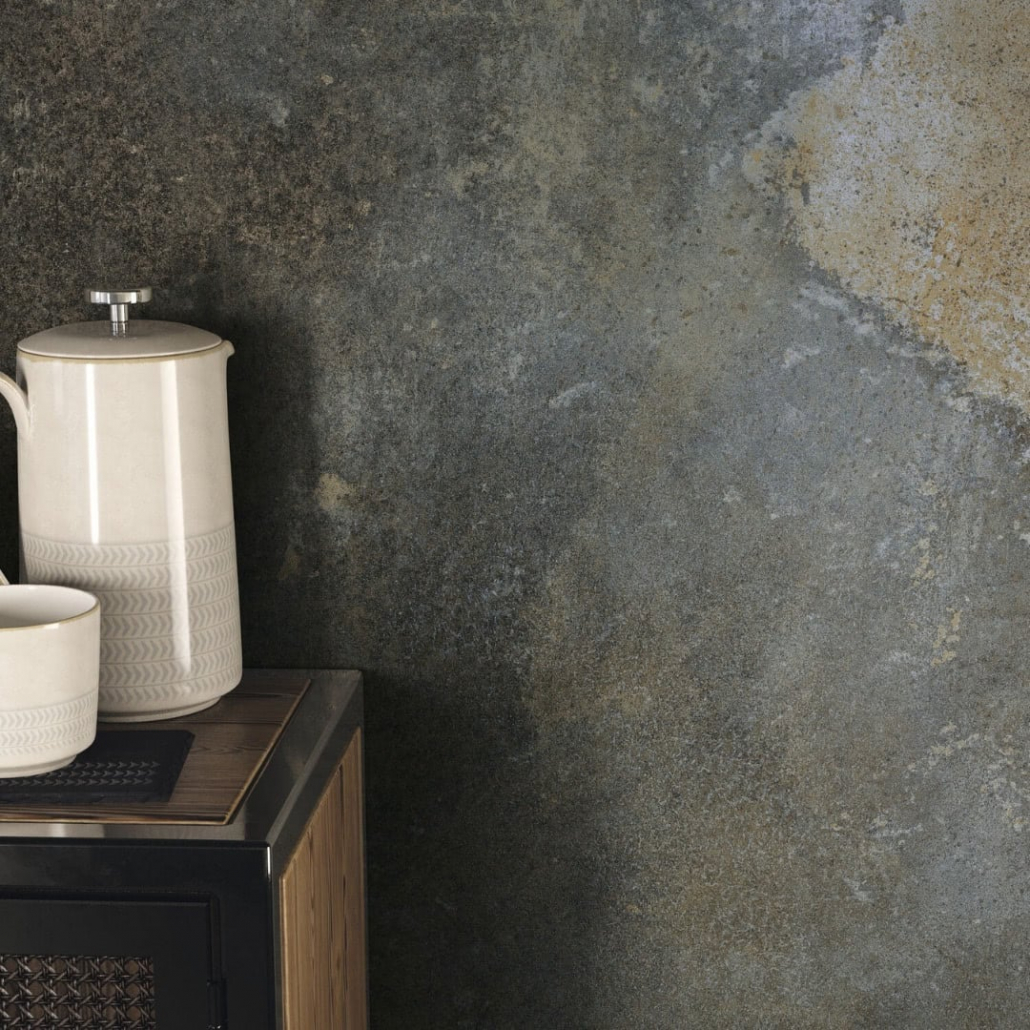
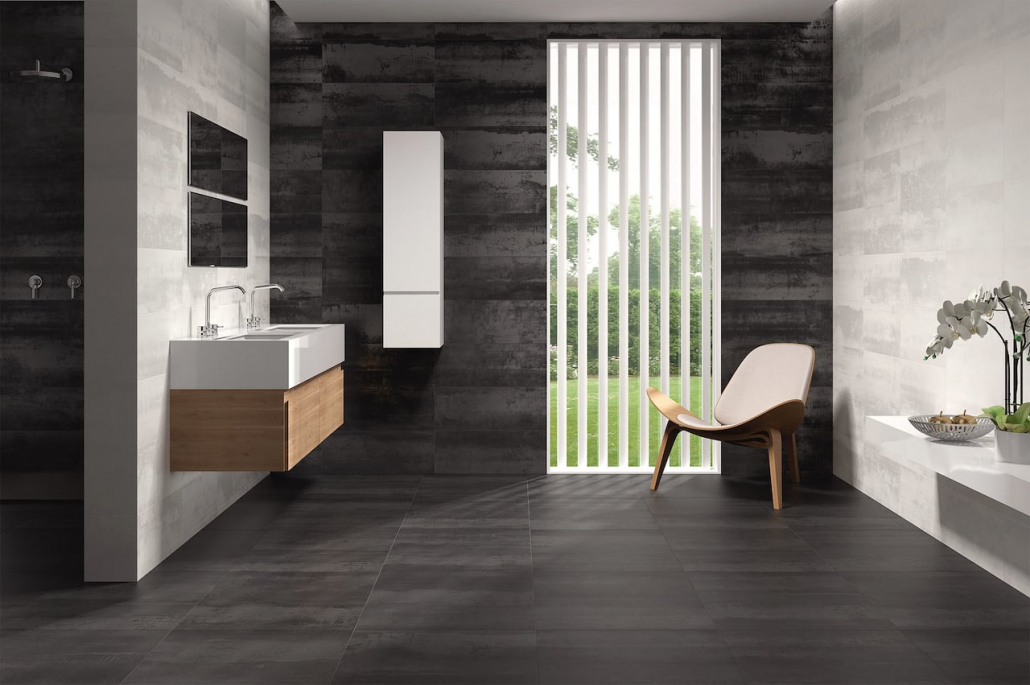
At Mercasur Estepona we have a wide variety of rust effect ceramics from several of our suppliers. Here are some collections that will help you to achieve this industrial style.